Innovative Accessories That Make Hiking More Enjoyable and Comfortable
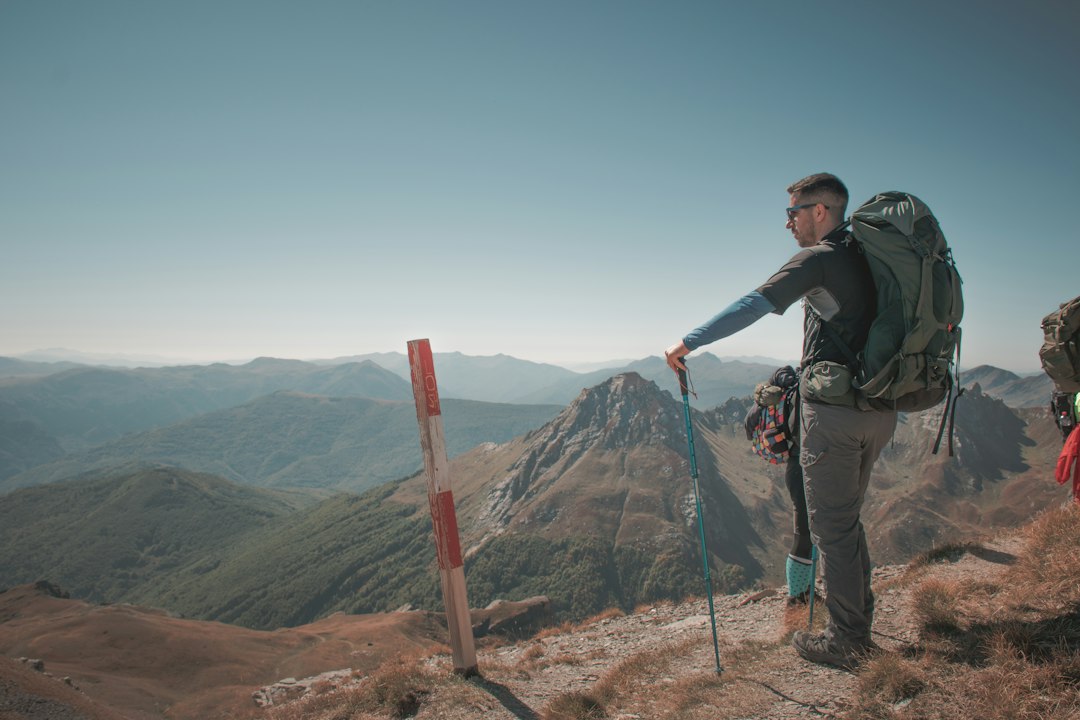
Hiking is an exhilarating way to connect with nature, but it also comes with its own set of challenges. Many outdoor enthusiasts believe that a good pair of boots and a water bottle are all they need for a successful hike. However, the truth is that having the right tools can significantly enhance your safety and enjoyment on the trails. In this article, we will debunk some common myths about hiking gear and highlight essential accessories that every hiker should consider.
Many hikers assume that they can rely solely on their smartphones for navigation. While technology has made it easier to find your way, it is not infallible. Myth: Smartphones are always reliable for navigation. Truth: Battery life can fail, and GPS signals can be weak in dense forests or mountainous areas. Carrying a physical map and a compass is a smart backup plan that can save you from getting lost.
In addition to traditional navigation tools, consider investing in a GPS device designed for hiking. These devices are built to withstand the elements and often come with features tailored for outdoor use. Having a reliable navigation tool can help you stay on track and explore new trails with confidence.
Another misconception is that quality hiking gear comes with a hefty price tag. While it’s true that some brands charge premium prices, there are plenty of affordable options that don’t compromise on safety or functionality. Myth: You must spend a fortune to get good hiking gear. Truth: Many budget-friendly brands offer high-quality products that are perfect for casual hikers. Researching and comparing products can lead you to great deals without sacrificing quality.
TrailblazeHikingGear.com offers a range of hiking accessories at various price points, ensuring that everyone can find something that fits their budget. From durable backpacks to reliable first-aid kits, you can equip yourself without breaking the bank. Investing in the right gear is about finding what works for you, not just what’s trendy or expensive.
Some hikers believe that only those embarking on multi-day treks need specialized gear. This is a dangerous assumption, as even short hikes can present unexpected challenges. Myth: Short hikes don’t require much preparation. Truth: Weather conditions can change rapidly, and accidents can happen anywhere. Carrying essential tools like a multi-tool, a first-aid kit, and extra layers can make a significant difference, regardless of the hike’s length.
Even on a quick day hike, it’s wise to be prepared for emergencies. A compact emergency blanket, a whistle, and a flashlight can be lifesavers in unexpected situations. Remember, safety should always be a priority, no matter how short the trail may seem.
Hydration packs have gained popularity among hikers, but some people dismiss them as just another fad. Myth: Hydration packs are unnecessary for hiking. Truth: Staying hydrated is crucial for maintaining energy levels and preventing heat-related illnesses. A hydration pack allows for easy access to water without the need to stop and dig through your backpack.
These packs come in various sizes and styles, making it easy to find one that suits your needs. They often include additional storage for snacks, tools, and other essentials, making them a practical choice for any hike. By using a hydration pack, you can focus on enjoying the scenery instead of worrying about your water supply.
Many people think that hiking is an easy activity that requires little to no preparation. This misconception can lead to injuries and a negative experience on the trails. Myth: Anyone can hike without training. Truth: Physical conditioning can enhance your hiking experience and reduce the risk of injury. Engaging in regular exercise, particularly activities that build endurance and strength, can prepare your body for the demands of hiking.
Before hitting the trails, consider incorporating hiking-specific workouts into your routine. Strengthening your legs, core, and cardiovascular system will make your hikes more enjoyable and less taxing. Remember, hiking is not just about the destination; it’s also about the journey and the preparation that goes into it.
Hiking can be tough. Our accessories are designed with empathy, ensuring comfort and support for every step of your journey.