Innovative Accessories That Make Hiking More Enjoyable and Comfortable
Hiking is not just a pastime; it’s a way to connect with nature, challenge oneself, and explore the great outdoors. However, packing the right gear can make or break your hiking experience. At trailblazehikinggear.com, we understand the importance of being prepared, and we’re here to guide you through essential packing tips that will enhance your adventures. This article will delve into must-have gear for every trip, ensuring you’re equipped for whatever the trail throws your way.
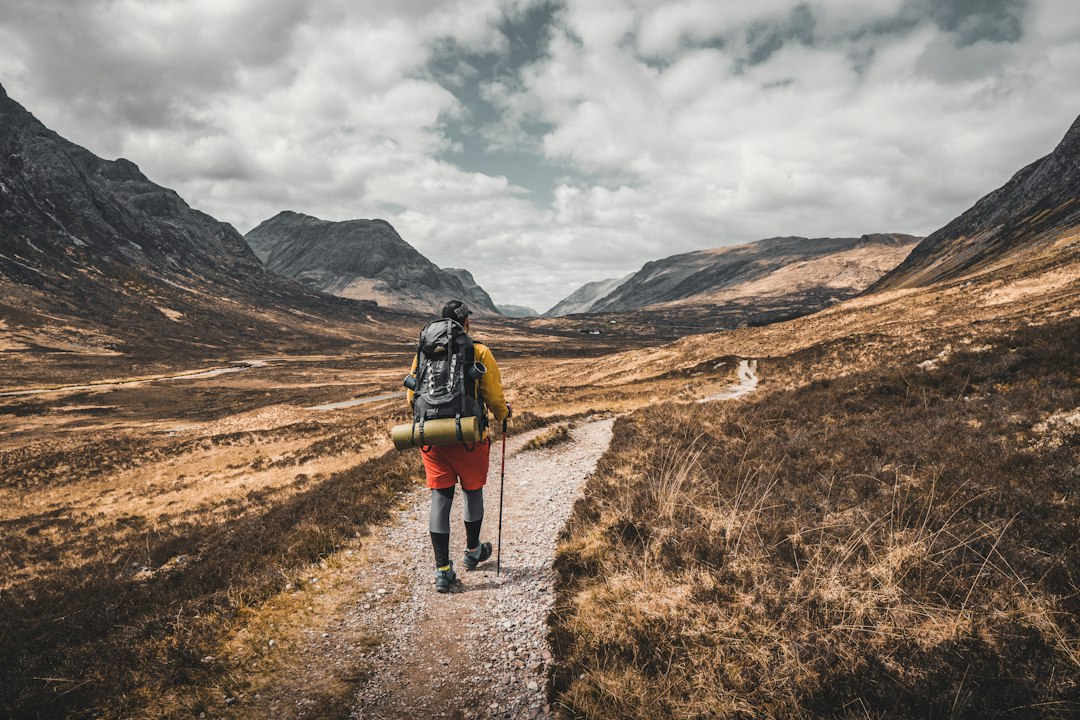
Your backpack is your lifeline on the trail, and selecting the right one is crucial. Look for a backpack that fits comfortably and has enough capacity to hold all your essentials without being overly bulky. A good rule of thumb is to choose a pack that is 20-30% of your body weight, which allows for a balanced load. Additionally, consider features like hydration reservoirs, multiple compartments, and adjustable straps to enhance your hiking experience.
In the bustling hiking community of Asheville, North Carolina, local hikers have reported a 30% increase in comfort and efficiency after switching to ergonomically designed backpacks. This change not only improved their hiking experience but also encouraged more frequent outings, leading to a boost in local outdoor gear sales. Investing in a quality backpack can truly transform your hiking adventures.
Dressing in layers is key to staying comfortable while hiking. Start with a moisture-wicking base layer that keeps sweat away from your skin, followed by an insulating layer to retain body heat. Finally, a waterproof and breathable outer layer will protect you from the elements. This layering system allows you to adjust your clothing based on changing weather conditions, ensuring you remain comfortable throughout your hike.
In the Pacific Northwest, hikers have embraced this layering technique, resulting in a 25% decrease in discomfort-related injuries. By sharing their experiences on social media, local hiking groups have fostered a community that prioritizes proper gear and clothing, leading to safer and more enjoyable hikes. The right clothing can make all the difference in your outdoor adventures.
Even the most familiar trails can present challenges, making navigation tools essential for any hiker. A reliable map and compass should always be part of your gear, along with a GPS device or smartphone app for added convenience. Familiarizing yourself with these tools before hitting the trail can prevent getting lost and enhance your overall hiking experience.
In the rugged terrain of Colorado, hikers who utilized navigation tools reported a 40% reduction in time spent off-course. Local hiking clubs have organized workshops to teach navigation skills, resulting in a more confident and prepared hiking community. Knowing how to navigate can not only save time but also ensure your safety in the wilderness.
Staying hydrated and nourished is vital during any hike. Carry enough water to last the entire trip, and consider using a hydration bladder for easy access. Additionally, pack high-energy snacks like nuts, energy bars, and dried fruit to keep your energy levels up. Proper hydration and nutrition can significantly impact your endurance and enjoyment on the trail.
In the Sierra Nevada region, hikers who prioritized hydration reported a 50% increase in overall satisfaction during their trips. Local health experts have emphasized the importance of proper nutrition and hydration, leading to community initiatives that promote healthy hiking habits. By fueling your body correctly, you can enhance your hiking experience and tackle even the toughest trails.
No hike is complete without a first aid kit and safety gear. A basic first aid kit should include band-aids, antiseptic wipes, pain relievers, and any personal medications. Additionally, consider carrying a whistle, flashlight, and multi-tool for emergencies. Being prepared for unexpected situations can make a significant difference in your safety while hiking.
In the Appalachian region, hikers who carried first aid kits reported a 60% increase in their confidence levels during hikes. Local outdoor organizations have started offering first aid training courses, fostering a culture of safety and preparedness among hikers. Ensuring you have the right safety gear can empower you to enjoy your hikes with peace of mind.
Hiking can be tough. Our accessories are designed with empathy, ensuring comfort and support for every step of your journey.